背景
使用pytest+Allure进行自动化的时候,为了报告展示更明确会使用
with allure.step(xxx)
和
@allure.step(xxx)
测试结束后就可以看到
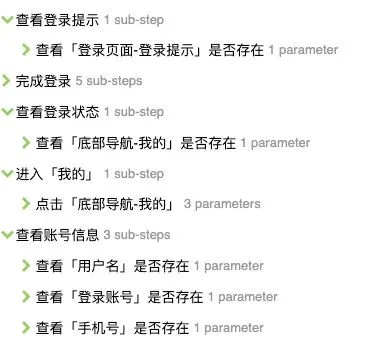
Allure还支持配置Description
之前直接在case中编写,例如
"""
[用例描述]: 专家问诊
[前置步骤]:
    1. 打开h5页面
    2. 完成登录
[测试步骤]:
    1. 点击问诊后搜索 测试医生数据
    2. 点击图文/电话/视频类型问诊
    3. 输入病情描述,选择患者
    4. 跳转至支付页面
    5. 取消订单
[编写人员]: zhongxin
"""
优点
内容清晰,由人工编写与确认
缺点
更新脚本后可能忘记同步更新
没有具体到每一步操作
新方案
新的方案采用读取执行过程中记录的step数据来展示Description
优点
根据脚本实时更新
具体到每一步的详细操作
缺点
具体程度需要根据
allure.step的编写情况决定执行失败后的步骤不会记录
不能记录后置操作
效果
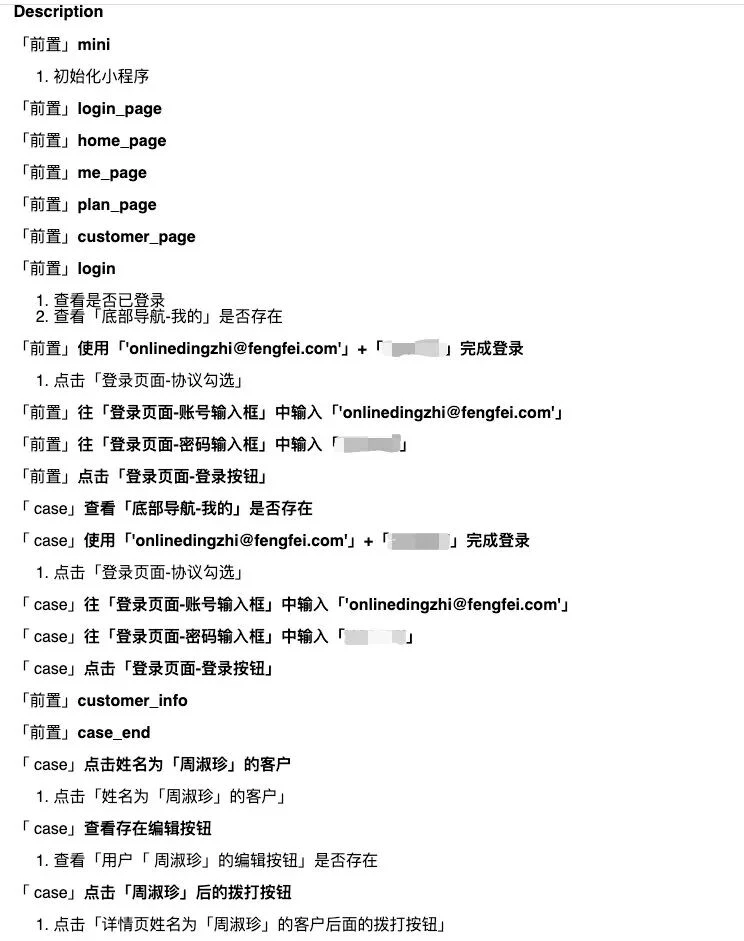
具体编码
在使用allure.step()的时候
使用的是
def __enter__(self):
    plugin_manager.hook.start_step(uuid=self.uuid, title=self.title, params=self.params)
其中start_step是
    @allure_commons.hookimpl
    def start_step(self, uuid, title, params):
        parameters = [Parameter(name=name, value=value) for name, value in params.items()]
        step = TestStepResult(name=title, start=now(), parameters=parameters)
        self.allure_logger.start_step(None, uuid, step)
    def start_step(self, parent_uuid, uuid, step):
        parent_uuid = parent_uuid if parent_uuid else self._last_executable()
        if parent_uuid is None:
            self._orphan_items.append(uuid)
        else:
            self._items[parent_uuid].steps.append(step)
            self._items[uuid] = step
所以最终每个步骤都被存到了self._items里面
self._items = ThreadContextItems()
找到allure_commons.reporter.ThreadContextItems
在conftest.py中编写一个函数来获取这个内容
import allure_commons

allure_commons.reporter.ThreadContextItems._thread_context.items()
然后将里面的内容解析出来
@pytest.fixture(autouse=True)
def case_end():
    yield

    for k, v in allure_commons.reporter.ThreadContextItems._thread_context.items():
        for k1, v1 in v.items():
            befores = hasattr(v1, 'befores') and getattr(v1, 'befores') or []
            steps = hasattr(v1, 'steps') and getattr(v1, 'steps') or []
            for i in befores:
                get_steps(i, base_name='前置', exclude=["_session_faker"])
            for i in steps:
                get_steps(i, base_name='\tcase')
@pytest.fixture(autouse=True):每次case执行前后自动执行第一行就是
yield说明函数后面都是后置操作,在case执行结束之后才会去收集step信息
编写get_steps
因为step里面有嵌套,所以使用嵌套函数去逐步解析步骤内容
    global names
    description = []
    names = []

    def get_steps(data, base_name, exclude=None):
        if exclude is None:
            exclude = []
        global names
        name = getattr(data, 'name')
        steps = getattr(data, 'steps')
        if name and name not in exclude:
            names.append(name)
        if not steps and name:
            names_text = ""
            for index, j in enumerate(names):
                if index == 0:
                    names_text += f"<strong>{j}</strong>"
                else:
                    if index == 1:
                        names_text += "<ol>"
                    names_text += f"<li>{j}</li>"
                    if index == len(names) - 1:
                        names_text += "</ol>"
            if names_text:
                description.append(f"<p>「{base_name}」{names_text}</p>")
            names = []
            return
        if steps:
            if steps:
                for i in steps:
                    get_steps(i, base_name, exclude)
动态设置description
因为拿到的内容有很多重复,所以使用set进行去重,然后根据原列表的排序方式进行排序
    description_set = list(set(description))
    description_set.sort(key=description.index)
    description_text = "".join(description_set)
    description_text = f'<div style="line-height: 16px;font-size: 16px">{description_text}</div>'
    description = []
    allure.dynamic.description_html(description_text)
完整代码
@pytest.fixture(autouse=True)
def case_end():
    yield
    global names
    description = []
    names = []

    def get_steps(data, base_name, exclude=None):
        if exclude is None:
            exclude = []
        global names
        name = getattr(data, 'name')
        steps = getattr(data, 'steps')
        if name and name not in exclude:
            names.append(name)
        if not steps and name:
            names_text = ""
            for index, j in enumerate(names):
                if index == 0:
                    names_text += f"<strong>{j}</strong>"
                else:
                    if index == 1:
                        names_text += "<ol>"
                    names_text += f"<li>{j}</li>"
                    if index == len(names) - 1:
                        names_text += "</ol>"
            if names_text:
                description.append(f"<p>「{base_name}」{names_text}</p>")
            names = []
            return
        if steps:
            if steps:
                for i in steps:
                    get_steps(i, base_name, exclude)

    for k, v in allure_commons.reporter.ThreadContextItems._thread_context.items():
        for k1, v1 in v.items():
            befores = hasattr(v1, 'befores') and getattr(v1, 'befores') or []
            steps = hasattr(v1, 'steps') and getattr(v1, 'steps') or []
            for i in befores:
                get_steps(i, base_name='前置', exclude=["_session_faker"])
            for i in steps:
                get_steps(i, base_name='\tcase')

    description_set = list(set(description))
    description_set.sort(key=description.index)
    description_text = "".join(description_set)
    description_text = f'<div style="line-height: 16px;font-size: 16px">{description_text}</div>'
    description = []
    print(description_text)
    allure.dynamic.description_html(description_text)